What Did His Contemporaries Think of King Louis the Great?
Abstract
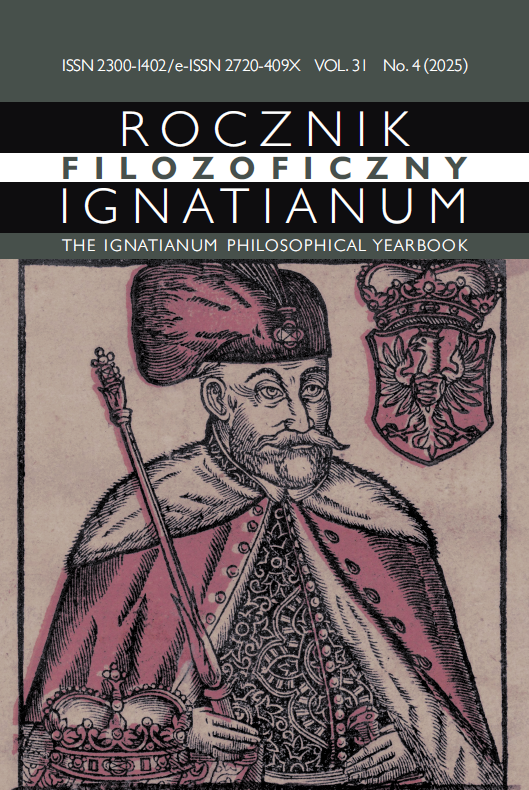
King Louis the Great (1342–1382) is regarded as one of the greatest rulers in Hungarian history. He is the only Hungarian king to have been honoured with this epithet. The aim of this article is to analyze the sources that offer a characterization of the king. A prominent example is a hymn of praise to Louis, written around 1356 by Peter Suchenwirt, an Austrian poet and herald. His work provides a detailed account of Louis’s military campaigns, along with a brief description of each. His biographer, John of Küküllő, made many interesting observations about Louis in his work entitled Chronicon de Ludovico rege. We learn about the king’s passion for astrology, his linguistic abilities (he was said to have spoken German, Italian, and Latin fluently), and finally, the king’s physical appearance. Surviving portraits of the ruler confirm the chronicler’s opinion. Finally, some Italian chronicles and the opinions about King Louis contained therein, including those of anecdotal nature, are also discussed.
Copyright (c) 2025 Ignatianum University in Cracow

Dieses Werk steht unter der Lizenz Creative Commons Namensnennung - Keine Bearbeitungen 4.0 International.
Rocznik przyjmuje do druku wyłącznie materiały, które nie wchodzą w żaden konflikt interesów, żaden konflikt z prawem autorskim itp. Redakcja prowadzi działania przeciw: plagiatom, ghostwriting1, guest/honorary authorship2 itp. Autor pracy zbiorowej, który jest pierwszy na liście, bierze na siebie odpowiedzialność i ma obowiązek przedstawić wkład wszystkich współautorów. Jeśli publikacja powstała dzięki dedykowanym środkom finansowym, należy ujawnić to np. w Podziękowaniu, przypisie itp. Ew. przedruki wymagają jawnego zgłoszenia i okazania odpowiedniego pozwolenia wydawniczego. Autorzy / Recenzenci nierzetelni narażają się na reakcję właściwą stosownym instytucjom.
______
1 Ma to miejsce, gdy osoba mająca istotny wkład jest pominięta na liście Autorów czy w Podziękowaniu.
2 Zachodzi, gdy na liście autorskiej pojawia się osoba mająca znikomy/żaden udział w pracy.